
In the Community
Mentorship
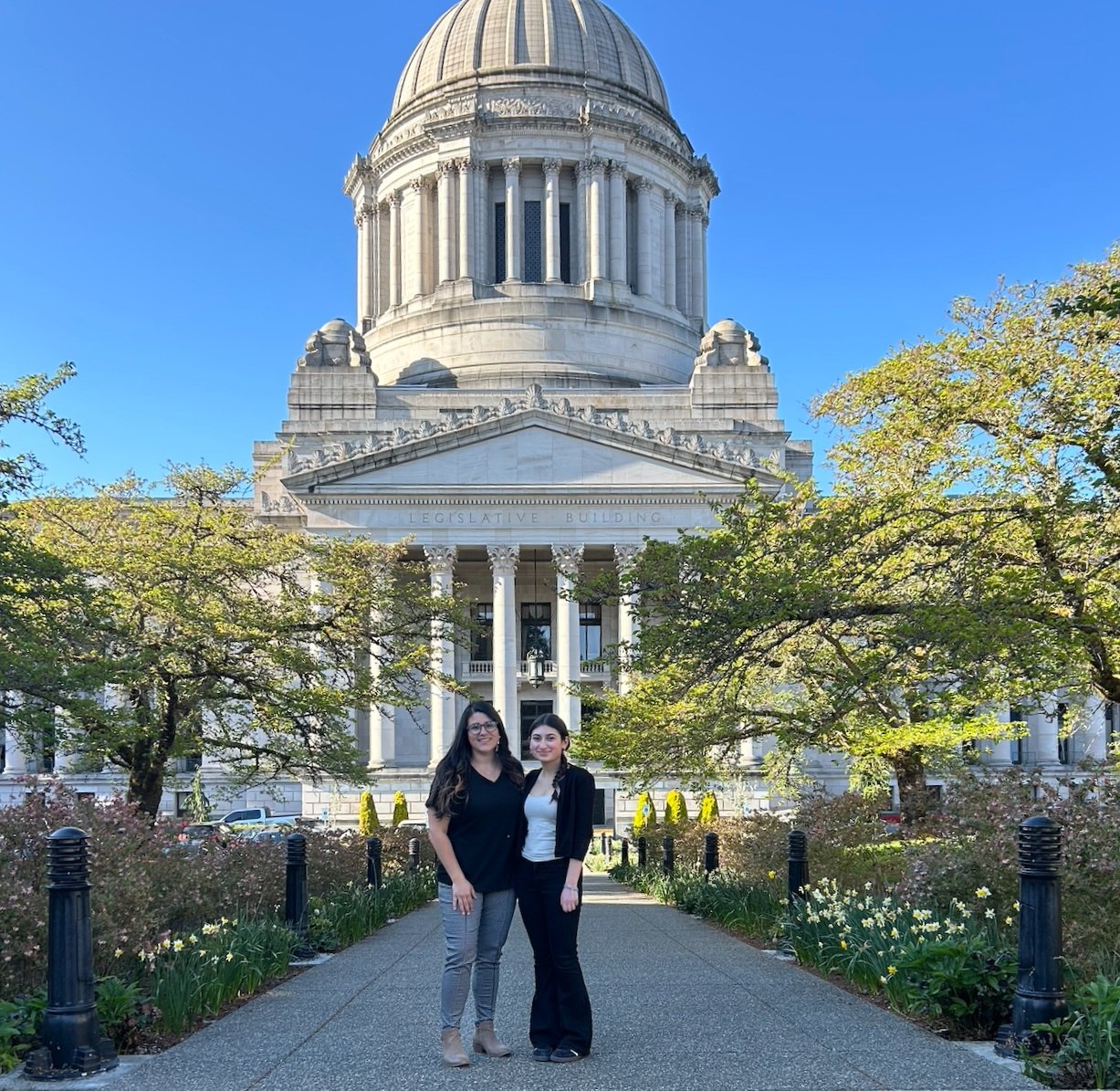
I’m especially interested in connecting with people who want to use what they’re learning to do good in the world. I believe mentorship is about showing up for people, sharing what we know, opening doors, leaving escalators, ladders, and elevators, while growing alongside one another.
I mentor emerging leaders, students, and early-career advocates at the intersections of science, activism, and systemic change. These relationships are sown and grow organically, meeting in classrooms, laboratories, panels, booked conversations and community events, and showing up for each other simply by enjoying boba, hanging out over Zoom, or doing the good work. Sometimes we’re talking through a research idea or career path; sometimes we’re helping turn an idea into a policy that can make a difference.
Community Activism
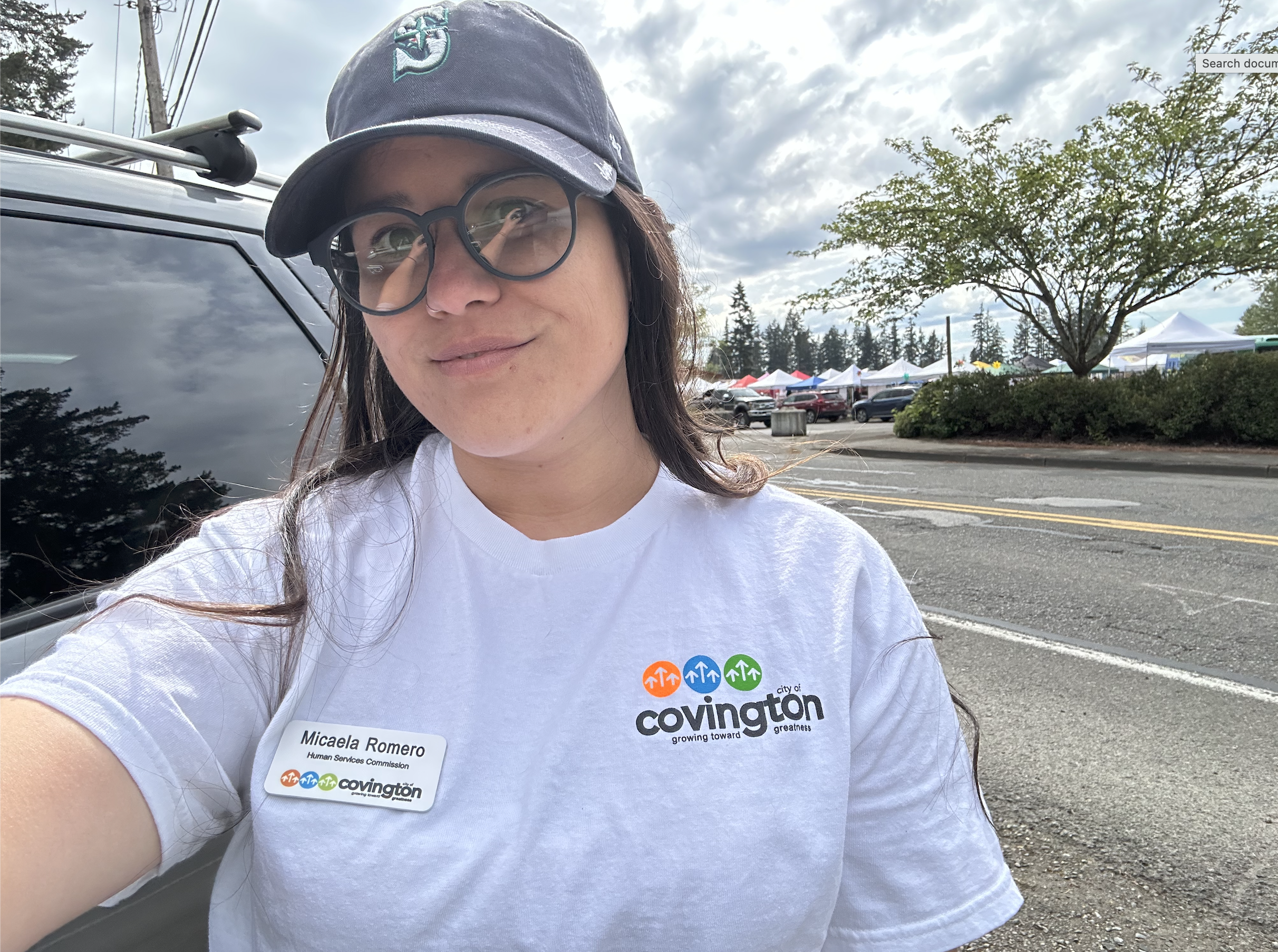
My organizing work spans direct action, policy advocacy, coalition building, and systemic reform. As a first-generation Mexican-American and daughter of an immigrant, I carry an innate drive to show up for mi gente, my people, and work in service to community.
Rooted in lived experience and informed by research, I organize alongside movements for food security, housing justice, immigrant rights, civic engagement, and social justice organizing, and the fight to end harms caused by the criminal legal system.
This activism is not just personal, it’s purposeful, which is what makes it powerful. It’s fueled by community, grounded in evidence, and committed to transforming the systems that have long failed those most impacted.
Building Stronger Connections
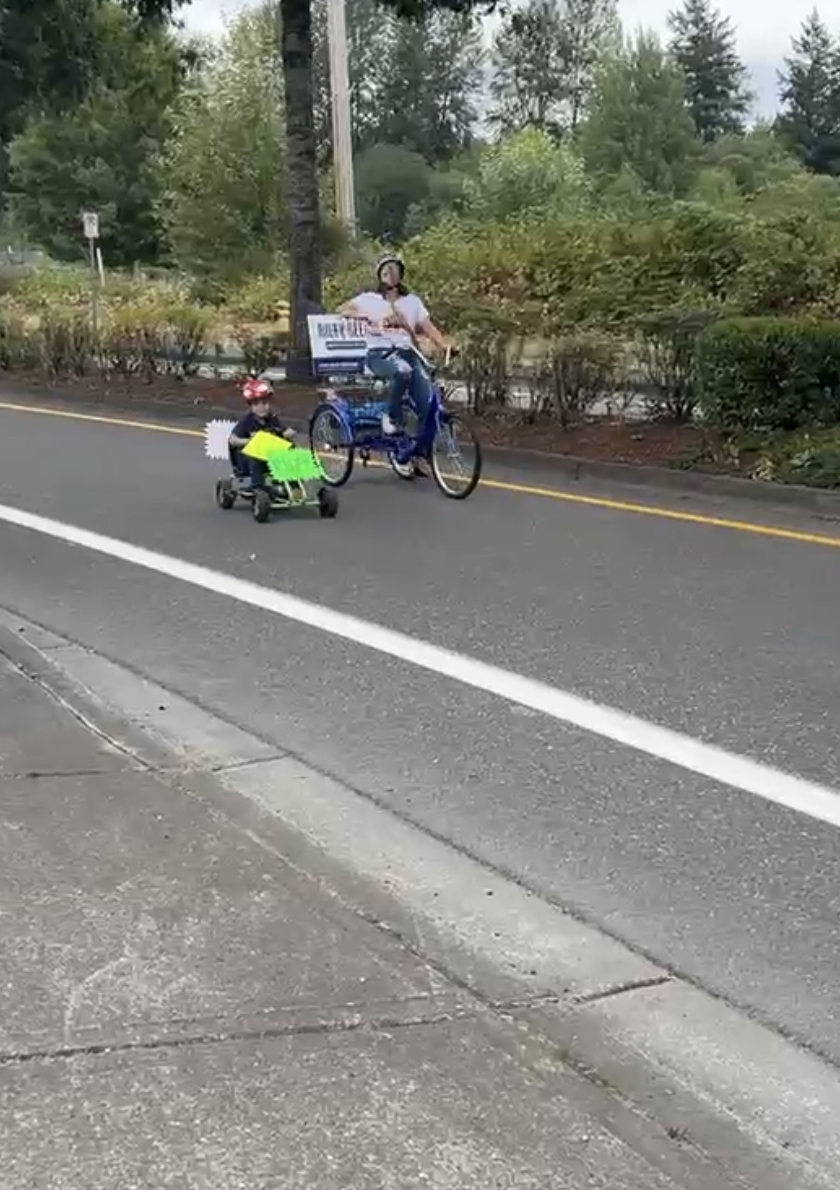
I believe in not just uplifting local nonprofits that support our communities, helping a first-time candidate communicate with voters, designing outreach for a community initiative, or mentoring students through meaningful engagement, my work shares one goal: helping connect people to their passions.
Authentic communication increases participation and strengthens movements. That’s why I offer strategic consulting and communications support developed by my lived experience, advocacy, and volunteer work, research, and education.

Ending Solitary Confinement
Serving on the Steering Committee of Survivors Opposing Solitary, a coalition to end solitary confinement, set me on the path to become the scientist my community needed. In this space, surrounded by directly impacted leaders, organizers, and advocates, I saw the urgent need to bring science into the fight for justice.
As the coalition’s scientific voice, I utilize neuroscience research to amplify the voices of those with lived experience and lobby the legislature to reduce institutional harm, lower recidivism, and reimagine Washington’s correctional system as one centered on healing and not punishment.